The Feline Disease That Comes and Goes: Understanding Autoimmune Conditions
Rare but tricky, autoimmune disease can cause signs that appear and vanish. Here is what owners should know.
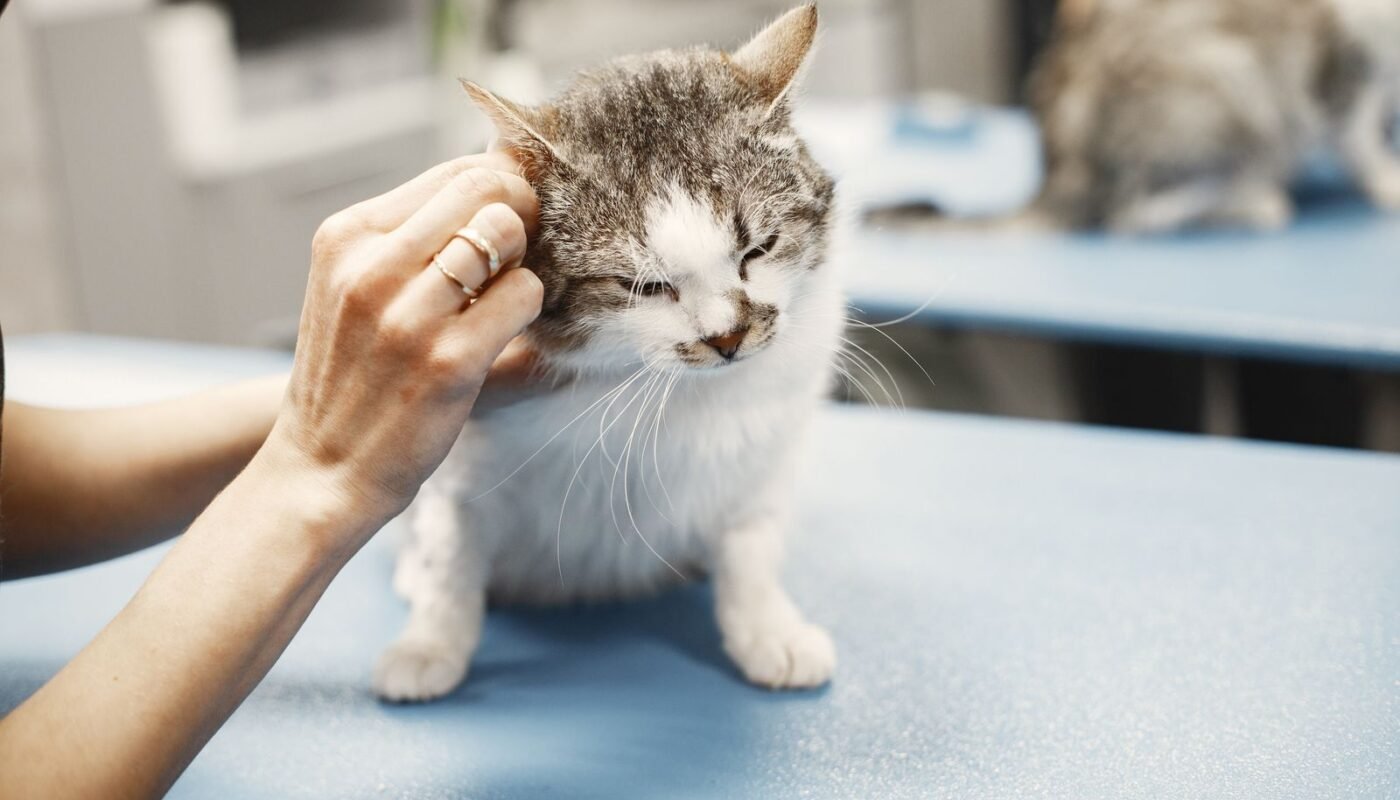
Imagine a cat that seems unwell one week and perfectly fine the next. Autoimmune disease can behave exactly like that. It is not one illness but a group of conditions where the immune system mistakenly attacks the cat’s own healthy tissue.
What to watch for
- Signs depend on what is affected and may come and go: tiredness, weight loss, vomiting, diarrhea, pale gums, bruising, limping or skin sores.
- Possible triggers include infections, certain medicines, hormones and genetics, though causes are not fully understood.
Diagnosis and treatment
- Vets usually reach a diagnosis by ruling other things out with exams, bloodwork, urine tests, imaging and samples.
- Treatment typically calms the immune system, often with steroids such as prednisone. Some human and dog medicines are toxic to cats, so only use what your vet prescribes.
- Supportive care like pain relief or transfusions can help, and there is no cure, but many cats live fairly normal lives with good management.
The takeaway: see your vet at the first sign of illness. Early investigation makes a real difference.
Friendly reminder: this summary is for general info only. Your own vet knows your pet best.